The idea of Phuket for a photographer is not just about beaches and sunsets. It is a living canvas where early-morning mists drift over limestone cliffs, street markets tumble with color and motion, and long-tail boats become brushstrokes on sapphire water. I’ve chased light across this island in the rain season and in the dry spell, and I’ve learned that the best images arrive when you lean into the rhythm of the day rather than force it. This is a guide born from long mornings spent waiting for the right cloud to peel away, afternoons spent negotiating the glow of neon signs with a gullible palm tree, and nights spent wondering whether the next alley will reveal a moment worth staying up for.
If you’re chasing things to see and do in Phuket Thailand with a camera in hand, you’re after more than pretty postcards. You want a thread that ties color, texture, and motion into a story you can carry home in your memory as a single frame or a sequence. Phuket serves that purpose with an unassuming generosity. The island offers a spectrum from souk-like markets and misted coves to limestone stacks that rise from the sea like sentinels. And because you’re reading a photo-focused piece, I’ll pepper in practical picks, honest trade-offs, and a few nonnegotiable rituals that keep your lens in love with the day.
I’ve learned to approach Phuket the way a good photographer approaches a new location: with curiosity, a touch of risk tolerance, and a willingness to adapt when light shifts. The island rewards those who scout locations at different times, who listen for the hum of the market as much as the sound of waves, and who allow their plans to bend when a scene presents itself. With that mindset, you’ll not only collect beautiful photographs, you’ll understand the island’s cadence—the slow pulse of a market, the quick flicker of a sunset, the quiet hush before rain on a cliffside.
A morning in Phuket often begins where the rest of the world still imagines finishing breakfast. If you’re staying near Patong, Karon, or Kata, you can chase dawn across several vantage points and still feel the same thrill you felt on your first trip to a place where the sun first touches the water. The light in Phuket moves with a particular generosity: soft, diffused in the shoulder hours, then bright enough to carve texture into rock Bang Tao Beach sightseeing and skin. The trick is not to fight it but to follow it, to position yourself a beat ahead of the crowd so that the image you carry is not a snapshot of a place but a moment you earned by being there before it arrived.
To make sense of all the possibilities, start with a thread you can pull through the week: the island is a mosaic of water, street life, and hillside monasteries. Each day, aim for one water-based scene, one street scene, and one vantage that forces you to rotate your lens and your perspective. The balance is not a cage but a compass. And because you’ve asked for things to do in Phuket, not just places to visit, I’ll offer a handful of specific routes and experiences that have yielded good photographs for me and for friends who shoot as a hobby and as a profession.
The sea and the cliffs around Phang Nga Bay reward a patient approach. The stalwart limestone towers that push up from the water carry a sense of ancient architecture that looks almost staged, the way a set designer might place a backdrop to frame a model. If you want the classic shot, you’ll want to be on the water early, before the tours arrive in force. A long-tail boat can give you a sense of scale and a human element that a drone rarely captures well in crowded spaces. If you’re patient, you’ll catch the moment when a pair of birds wheels above the water or when a fisherman’s net makes a geometric pattern against the sea. The best angles may require you to lie back on the deck and shoot upward as the boat glides between rock domes, letting the light ricochet through the spray.
Old Phuket Town offers a completely different vocabulary of light, color, and texture. The street photography here is not about dramatic scenery but about the small stage of daily life—the way a florist stacks sunlit flowers against a chipped wall, the rhythm of a motorbike weaving through a narrow alley, the way a neon sign lights up the wood and plaster of a shophouse as dusk settles. The town is a living archive of tin-roofed architecture, pastel walls peeling in the sun, and shop windows that reflect the street back at you like a cheap mirror you keep because you might need a souvenir of your own face. It’s a place to practice your framing and your ability to wait for a moment when a passerby aligns with the street’s geometry. You’ll find that the area around Thalang Road, with its weekend market alive and loud, is a place where color becomes a language of its own. Don’t chase the obvious; look for the quiet tension between a vendor arranging goods and a customer pausing in a doorway to examine a trinket.
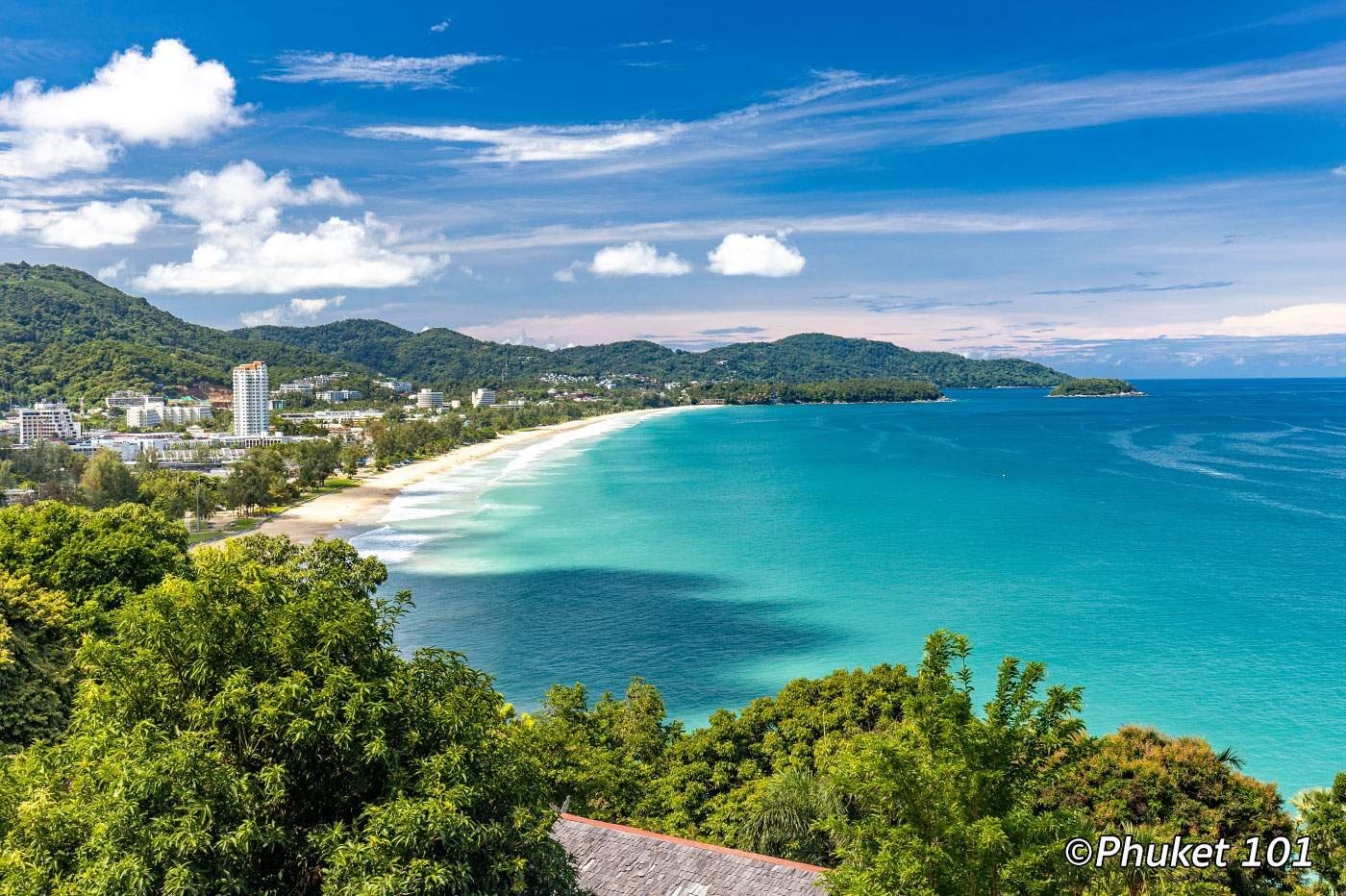
Beaches offer their own etiquette for photographers. Kata Beach and Karon Beach are the kind of places where long shadows extend across powdery sand as the sun inches toward the horizon. Here the weather is mercurial and you’ll want to be ready for a quick shift in cloud cover. In the early morning, anglers sit along the water’s edge with a patience that teaches you more about patience than any photography class could, and if you stay a while you’ll catch the moment when a child laughs at a distant wave that curls over a rock outcropping. The late afternoon brings a warm, honeyed light that flatters skin and shells and makes the water look almost edible. If you’re chasing strong silhouettes, position yourself where the sun drops behind a palm or a cliff and use that negative space to isolate the subject, whether it’s a surfer, a fisherman, or the silhouette of a couple strolling along the shore.
Sunrise at Promthep Cape is almost a ritual for photographers who want a grand finish to the day. The amphitheater shape of the headland creates a natural frame for the sun as it climbs behind an island and sets the sky on fire with pinks and apricots. The scene changes by the minute, and the trick is not to chase a single shot but to stay long enough to record the subtle shifts in color and the way the sea catches the light. From there you can ride a scooter up to the windward side of the cape for a view over the water and a chance to capture the curve of the coastline as dawn bleeds into morning. A pocket-sized tripod helps, but if you’re moving with a camera you can still keep a low center of gravity and shoot handheld with a fast shutter to freeze the moment when a gust lifts mist off the surface.
For something more forested and intimate, the Big Buddha and the surrounding hillside paths offer a different texture. The site sits above Phuket Town and provides an overlook that can stretch your sense of scale. The stone statue is imposing in person, but the real rewards come from the tiny details—the pattern of tiles in a shade of sun-washed gray, the way a visitor’s scarf catches a spark of light, the narrow stairs carved into the hillside that lead you to a quiet vantage where rooftops shrink to a grid and a sea of green surrounds the far horizon. Photographing architecture against a sky that shifts from pale blue to a storm-laden gray teaches you how to balance contrast and how to frame a subject within a frame.
When you want something more tactile and local, head into the markets. Phuket’s night markets are not simply places to eat; they are photogenic stages where vendors trade stories as much as goods. The scent of grilled pork, sweet fried dough, and crushed chili oil fills the air, while the stalls glow with string lights and neon that seems to have a heartbeat. The best pictures emerge from observing people in the act of choosing, bargaining, and pausing with a bite of something fresh. If you time it right, you’ll catch a grandmother maneuvering a basket of mangosteen as a wave of children darts past, their expressions a mirror of your own anticipation to capture the decisive moment. You’ll walk away with portraits that feel honest, not posed, and with scenes that stay with you long after you’ve left the market fires and the night begins to quiet.
For a more adventurous tack, Phuket invites you to explore water-based adventures that result in dynamic compositions. A snorkeling session or a scuba dive around coral reefs introduces texture, color, and life into your frame. The tropical fish and the dance of light through water create a different kind of lens discipline: you’ll shoot with a faster shutter or a higher ISO than you might be comfortable with, and you’ll often crop slightly to emphasize a creature or a shoal. If you’re not comfortable in the water, a boat ride around the smaller islets of the region can still produce dramatic shots of sea stacks and turquoise water. In this environment, patience is a virtue and a little risk can be rewarding; you might hear a guide point out a hidden cove and decide to cut across a bit of chop to chase a unique angle.
There is a rhythm to Phuket that rewards the thoughtful traveler. If you’re here for two days or for a longer stretch, building a loop that blends the sea, the street, and the hillside gives you the best chance to come away with photographs that feel coherent rather than scattered. The trick is to allow yourself to be surprised by small moments—the way a scooter’s headlight catches a passing rain cloud, the way a vendor’s child smiles at a camera, the shimmer of a pearl bracelet hidden beneath a glass case. These moments are not always the grandest, but they are the kinds of quiet, undeniable truths you end up recognizing in a series of images rather than in a single frame.
Two lists offer practical anchors you can carry through your trip. They are compact by design, with room for your own personal twists and test conditions. Use them as a quick reference when you set out each morning or when you review your shots at the end of the day.
Gear essentials to keep in your day bag
- A versatile zoom lens that covers 24 to 70 millimeters. It lets you move from street scenes to distant cliffs without swapping lenses in the heat. A lightweight tripod or a sturdy monopod for early sunrise and low-light scenes around markets and temples. A compact dust and splash cover for cameras and lenses. Phuket’s humidity and sea spray do not always play nice with gear. Extra batteries and memory cards packed in a dry pouch. You don’t want to miss a moment because you ran out of space or power. A small microfiber cloth for quick lens cleans, especially during market visits when dust and humidity are constant.
Two-day photo-focused itinerary that keeps your camera busy
- Start with sunrise at Promthep Cape, then loop through a quick bamboo boat ride around Phang Nga Bay for dramatic limestone backdrops and reflective water. The light is most forgiving in the hour before and after sunrise, and the bay’s geometry offers memorable silhouettes against the sky. Travel to Old Phuket Town for a slow morning of street photography. Seek textures that carry the city’s memory, from weathered walls to shopfront reflections in rain-soaked pavements. Pause at a cafe for a drink and a quick review of your shots to calibrate the next stretch. Afternoon is about the water again, either snorkeling near a coral garden or a calm coastline that lets you shoot long exposures of the sea and the clouds. If you’re fortunate enough to catch a light drizzle, the air is clean and the colors pop with a softness that is often missed on bright days. Evening returns you to a lively market scene, perhaps in Phuket Town or along a waterfront promenade. The neon, the steam, the faces—this is where your photography can tell a story of daily life, not just scenery.
The best moments tend to happen when you trust your instincts more than your itinerary. If you notice a line of boats framed by a white-sand shoreline at dusk, you stay with it, even if your plan had you a few blocks away. If a vendor’s child leans in toward your lens for a curious look, you wait a heartbeat and press the shutter when the expression lands. Patience is a tool, not a virtue that you prove by starving your day of action; it’s the engine that makes your best photographs possible.
While Phuket’s beauty is widely known, the island’s true power for the photographer lies in its contradictions. It’s both crowded and intimate, loud and serene, young and ancient. It offers a market that never truly closes to the night and a coastline that changes with every season. The weather can be a collaborator or a constraint, and the real tests are not how you fight it but how you adapt. The more you listen to the place, the more your camera listening becomes a kind of translation. You translate the feeling of a place into composition and timing, and you carry that translation back with you in your memory.
If you’re planning a longer stay, consider building your days around fewer locations but staying in each for longer. You’ll learn the angles you miss in a rushed morning and the corners you never notice when you merely drive by. Phuket can be a forgiving teacher if you give it time, and the images you return with will speak with the clarity of a voice that has learned to listen.
For the traveler who wants to balance adventure with relaxation, Phuket is unusually generous. You can push toward the edge with cliff viewpoints and long-tail boats, and you can also slow down with beachside hammock sessions and quiet mornings in a cafe where the only sound is coffee being poured and the occasional distant motorbike. Your camera will be a companion and a notebook, not a cruel taskmaster. It will remind you to look, to wait, to breathe in the humid air, and to listen for the moment when light, color, and soul align for a photograph that feels true.
Along the way you’ll encounter edge cases worth noting. The best light for portraits on a hot afternoon is often the soft shade of a tree canopy or a corner of a street where the heat is tempered by the shade. If you want a dramatic sky over a temple complex, you’ll need to plan around the timing of any religious ceremonies and the crowd that follows. If you chase a candid moment on a market street, you’ll likely need a longer lens to avoid drawing attention and to capture people in a natural, unposed way. And if you’re on a schedule, you may have to concede that some days the light will be stubborn and you will simply shoot more abstract textures, hoping to find a narrative in color and form rather than in faces.
The island rewards the curious and the patient. It allows you to observe with your camera rather than simply point and shoot. It gives you moments that feel like tiny discoveries if you approach them slowly enough to notice the details—the glint on a glass bottle, the curved line of a cigarette machine that reads as sculpture, the soft edge of dusk slipping into night over a cascade of towel-warm colors. If you can manage to capture those details with intention, your portfolio from Phuket will feel cohesive, as if these moments were threads woven into a single fabric rather than a collection of separate memories.
Should you want a more technical word about what makes a good shot here, it comes down to light quality, composition, and context. Phuket’s light is soft in the mornings and golden in the late afternoon. The best compositions minimize clutter while maximizing human connection, or at least the suggestion of a story through gesture or reflection. This is not about chasing the perfect sunbeam but about recognizing the moment when light and subject align to reveal something authentic. In a place that is as alive as Phuket, that moment is not rare; it’s a constant invitation to slow down and notice.
If you are traveling with a partner who is not a photographer, you can still benefit from this approach. Let your companion navigate while you observe. They may discover a place that reveals a different angle or a scene that would be overlooked if you are chasing a direct shot. Use your camera to capture their experience as much as your own. The photographs that come from a shared memory can be some of the most powerful because they carry a sense of time and place that is larger than any single image.
One practical tip that has saved more photos than any other is to shoot with intention and then review briefly in the field. Quick post-processing on a phone or a portable laptop lets you filter the images you know you want to keep, which is a blessing when you’ve moved from one location to another and you want to preserve focus rather than drift into a sea of unedited frames. The goal is not to produce a perfect sequence on the first day but to maintain a rhythm that keeps you curious and inspired.
Phuket’s landscapes are not linear. They arc around you, just as the sea bends in quiet and surprising ways. Some days you’ll chase the dramatic flare of a sunset over the water, others you’ll fall in love with the quiet geometry of a market stall against a turquoise awning. Some evenings you’ll return to your hotel room with nothing more than a handful of intimate portraits, the faces of people who were kind enough to let you photograph them as they went about their day, and a sense that you’ve learned a little more about the island’s heart.
If you are preparing a follow-up trip or sharing this guide with a friend, consider a few guardrails that help maintain a humane and respectful approach to photography in Phuket. Ask permission before you shoot close portraits of people who are clearly in a private moment. Be mindful of local customs, especially inside temples or in sacred spaces. Respect the market vendors’ space; a camera should feel like a tool for storytelling, not a weapon that intrudes on someone’s livelihood. And finally, respect your own limits. Phuket is a big place with a lot to offer, but a good photograph often comes from a well-rested you who can see more clearly and think more carefully.
In closing, or rather in continuing this journey of looking and learning, the best photographs you take in Phuket will be the ones that tell a story you could not tell elsewhere. The island has a way of showing you different faces depending on where you stand and when you arrive. It might reveal a quiet bench under a banyan tree in the Old Town, or a powdery beach at dawn where footprints disappear under the incoming tide. It might gift you a memory in the shape of a street vendor’s smile, or a sea stack lit by the first direct light of morning. You will be surprised by how many moments present themselves if you move with intention, stay a little longer, and let the island do the talking.
The best way to carry Phuket with you when you leave is through the photographs that remain after you have put the camera away. They will remind you of the smell of the market, the sound of the ferry horn at dusk, and the soft glow of a cliff edge at sunrise. They will remind you that adventure and relaxation can be neighbors and that a good image is often a quiet negotiation between light, space, and human presence. If you come with a plan and allow yourself to improvise within that plan, you will leave with a collection of photographs that feels alive. And that is what makes Phuket not just a place you visited, but a place you carried with you long after the trip ends.